

When people think about the tourism industry, they often picture hotels, attractions, tours, and restaurants. But the tourism economy depends on something much more fundamental – it requires healthy ecosystems, protected landscapes, and thriving living cultures.
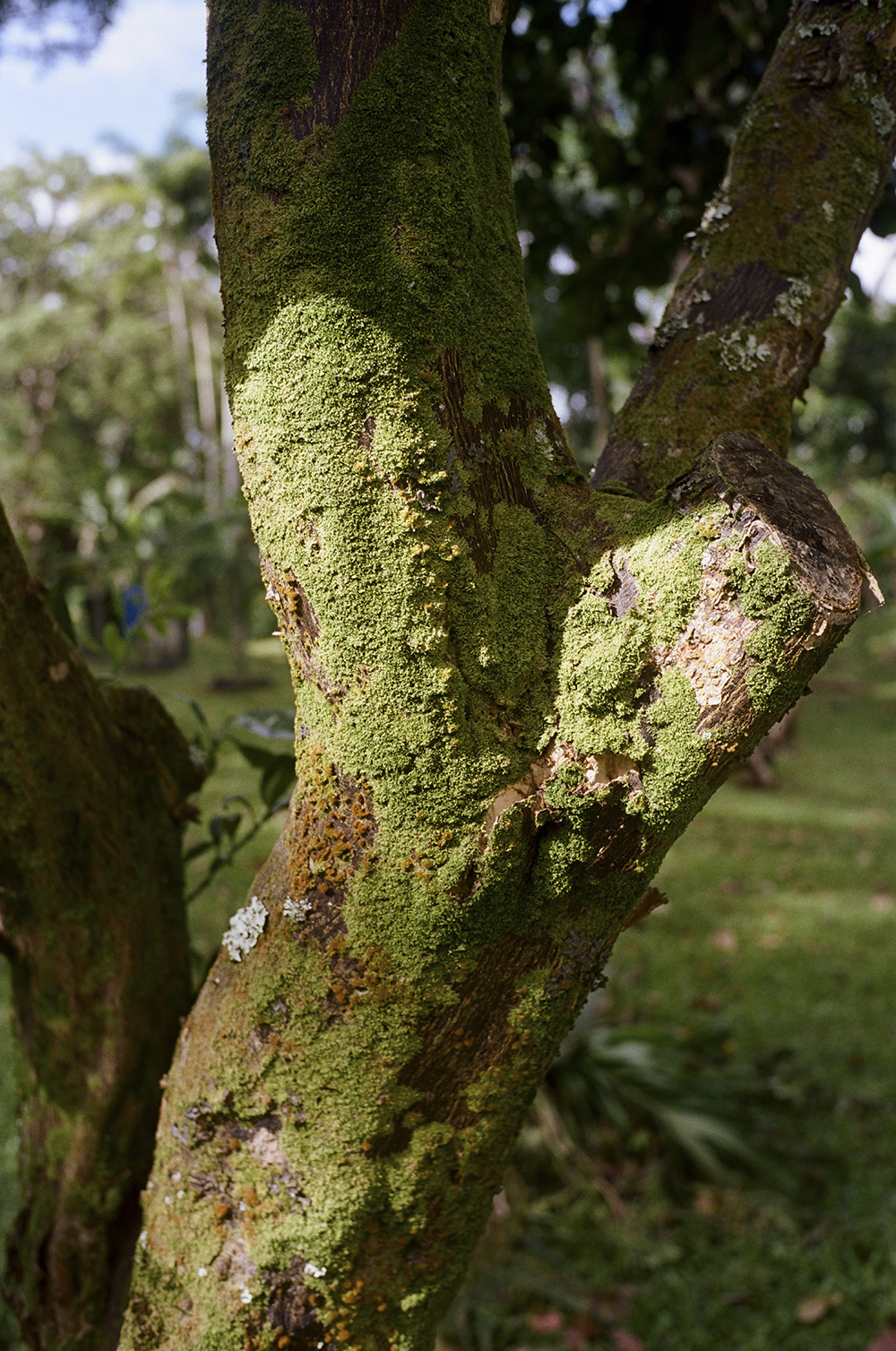
The idyllic beaches we visit, the ancient forests we hike, the thriving coral reefs we snorkel, the wildlife we photograph, and the cultural traditions we travel across the world to experience don’t simply exist on their own. They require ongoing stewardship. And this stewardship is often led by local conservation and cultural nonprofits and community-led organizations, not tourism companies.
In 2025, the US government significantly reduced funding for numerous conservation and climate-related programs, impacting thousands of nonprofit organizations across the country. According to the Climate Program Portal, approximately $27 billion in previously authorized climate-related funding has been rescinded across programs that they track. In addition, the US Department of Agriculture’s budget request reduced mandatory program funding by approximately $5.25 billion compared to the previous year.
While these budget cuts affect many sectors, they have important downstream implications for conservation organizations responsible for protecting the natural and cultural resources that make tourist destinations worth visiting. The most direct and significant example that we’ve seen in the news is the funding cuts to National Parks across the United States. With less resources available, and scaled back staffing, National Parks are having to do more with less, leading to negative outcomes for both visitors and the parks.
The impact of these federal funding cuts have had massive repercussions to nonprofits across the US. According to research published by the Urban Institute, they found that in early 2025:
- 21% of U.S. nonprofits reported losing at least some government grant or contract funding
- About 33% experienced disruptions including delays, pauses, or stop-work orders
- These cuts, part of a broader shift in federal funding, led to roughly 20,000 job losses in the sector
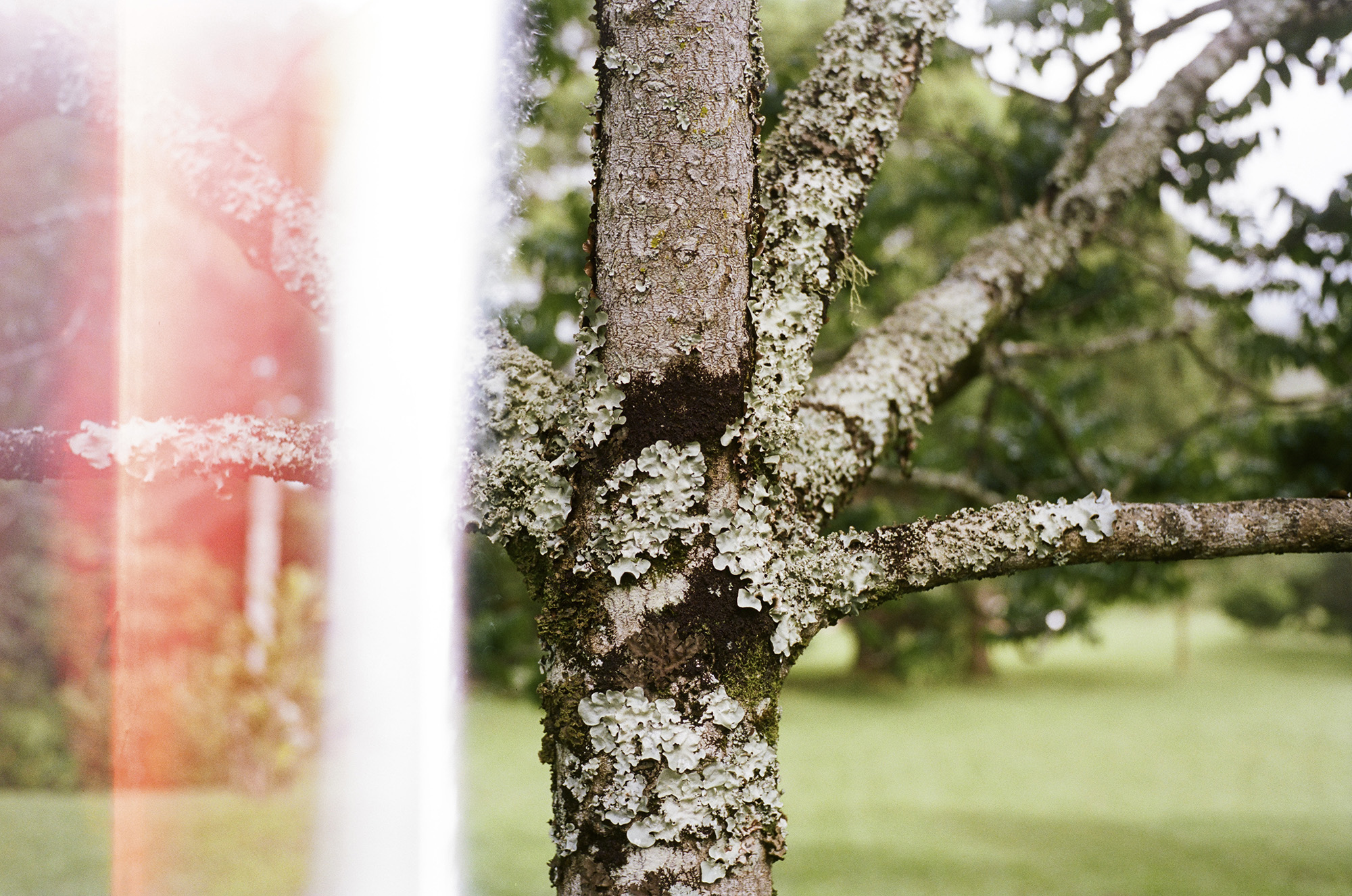
For organizations already operating with limited staff and tight budgets, reductions in public funding can quickly translate into fewer conservation projects, reduced educational programming, delayed habitat restoration, and diminished capacity to care for culturally and environmentally significant places.
In relation to tourism, travelers choose to visit destinations that have these protected coastlines, clean rivers, healthy forests, vibrant cultures, wildlife, historic sites, and more. And as mentioned, these beautiful places are often stewarded by local nonprofits who rely on federal funding to do their conservation work. These places require continual investment to keep these destinations healthy, vibrant, and thriving.
With the federal funding cuts, we’ve already seen some of the immediate impacts, which have included staffing cuts, restoration projects put on hold, and educational programs being scaled back. But as nonprofits continue to see these cuts and feel their impacts, we’ll see gradual impacts like trails receiving less maintenance, or conservation staff positioned remaining unfilled due to lack of funding. And over time, these cuts affect the visitor experience as well as the long-term resilience of these beautiful destinations.
Why does this matter now?
For decades, tourism has largely operated under a simple model: people visit destinations, spend money, and local businesses benefit. But in today’s funding realities, public funding has become less predictable, and many nonprofit organizations are having to explore their relationship with tourism to help supplement their funding losses through, ideally, mission-aligned revenue in sustainable tourism.
This is where we, at LOAM, are seeking to align these needs between the the visitor industry and the nonprofit sector. Rather than treating conservation as a completely separate sector from tourism, we’re looking at how the visitor experience can benefit local destinations through what we’re calling regenerative tourism. This changing landscape is one of the reasons we shifted away from traditional, public, group tours toward private, philanthropic Immersions.
Our goal is to support local conservation and cultural nonprofits through high-impact, low-footprint tourism, by connecting philanthropic-minded travelers to these important non-profit organizations doing the work in-destination to protect and preserve the places we know and love. Our Immersions are designed to generate meaningful support for nonprofits and community partners who are actively stewarding the destinations we visit.
Travel has always relied on extraordinary, awe-inspiring places, to inspire visitors to come. Increasingly, those places rely on extraordinary people working behind the scenes to protect them. As government funding becomes less certain, the tourism industry has an opportunity to become part of the solution. And that is how we, at LOAM, believe we can turn travel into a force for good.



.svg)