
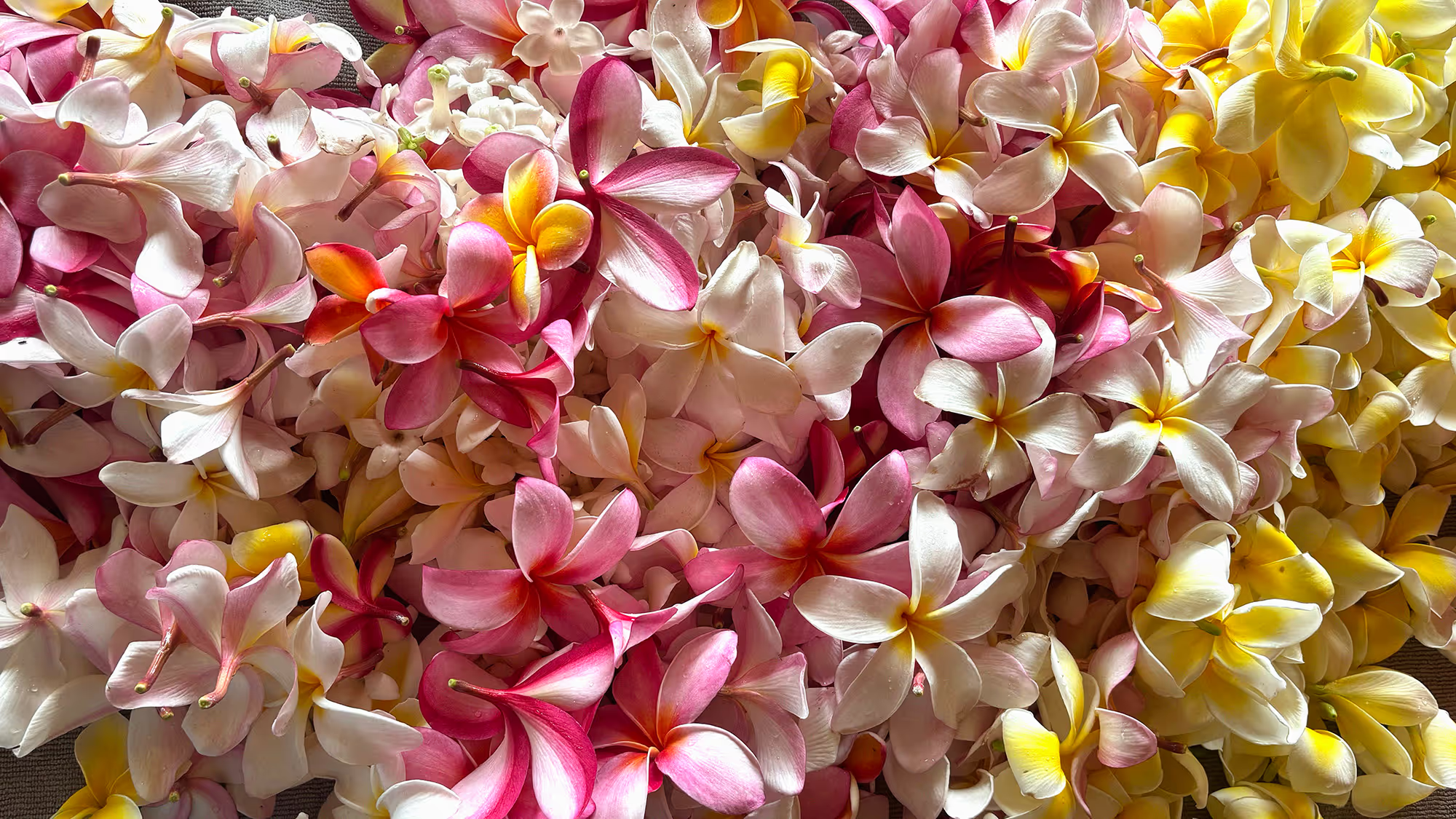
O ka lei hiʻiaka mea hoʻokahi He Kahiko nou mai keia ‘aina aloha mai The lei is a reflection of oneness, from this loving land, an adornment of you. Pualani Kanaka‘ole Kanahele
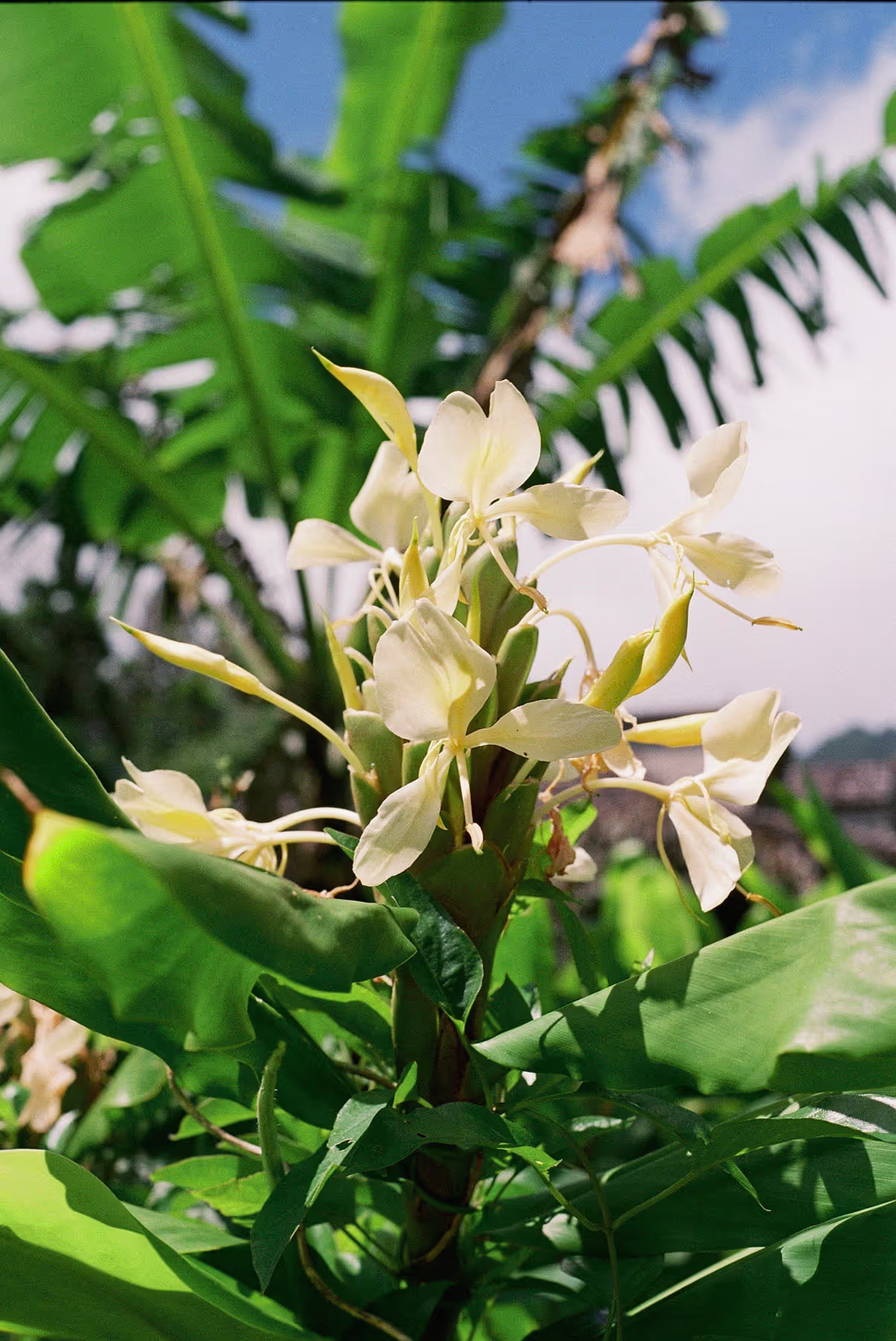
The making and giving of lei has long been woven into the rhythms of everyday life in Hawaiʻi. An expression of care, remembrance, and belonging that passes from the maker’s hand to the one it adorns.
Growing up on Oʻahu, lei were ever-present in my childhood. My mother, aunties, cousins, and grandmother could almost always be found settled on the mauka lanai (ocean-facing porch) with a lei needle in one hand and flowers in the other. They held onto secret gathering spots: the plumeria tree just tipping over our neighbor’s fence and a barely hidden branch of puakenikeni heavy with bloom. Almost instinctively, they named every plant we passed. Some of my earliest memories are of standing beneath the puakenikeni tree in our front yard, gathering its small, fragrant blossoms and delicately threading them together into a lei.
For generations, lei-making has been carried on in families, shared quietly through practice, patience, and presence. It is one of many Native Hawaiian traditions that has endured into modern times, even as the islands themselves have changed. With Western arrival to the Hawaiian Kingdom came shifts in meaning and material: new plants, new contexts, and new ways of seeing the practice.
In pre-contact Hawaiʻi, lei held deep spiritual and social significance. While worn for adornment across all levels of the caste system, they also carried sacred meaning. In ancient hula traditions and ceremonial gatherings, the plants used for lei were never chosen casually. Each had a name, a story, a purpose. Certain ceremonies called for particular blossoms or ferns, invoking particular relationships with the land and the spiritual world.
Over time, these meanings have shifted. Today, lei-making continues as both a cherished cultural practice and, at times, a commercial enterprise. Visitors arriving in the islands often associate their first moments here with the presentation of a lei at an airport or hotel, often made from kukui nut or purple ginger. Purple ginger, though now familiar, is not traditionally Hawaiian; it is often chosen because it is sturdy, long-lasting, easily dyed, and without scent.
When we make lei, we use whatever nature offers: the flowers in bloom, the ferns that felt suitable for the moment, or the colors favored by the person who would wear it. A lei can be made from anything the landscape provides, including shells and seeds.
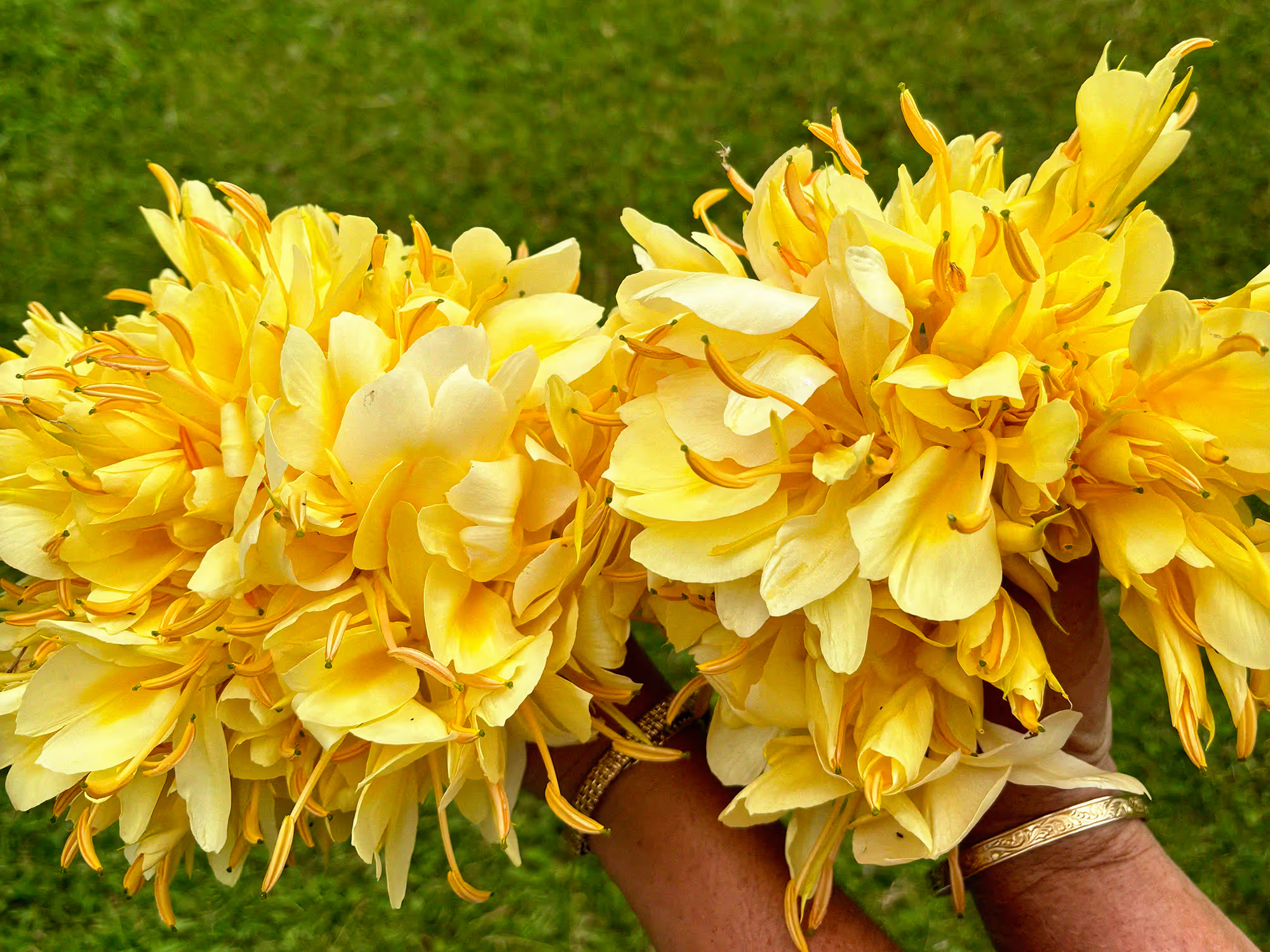
Lei-making itself includes many forms and techniques. A lei haku is arranged in a braid; lei hili are braided or plaited; lei humupapa are sewn to a backing; lei kīpuʻu are knotted; lei kui are pierced and strung; and lei wili are created through a winding method. While many of these techniques are documented in historical sources, the final structure of a lei is also shaped by the maker's creativity, knowledge, and intention. Experienced lei makers understand how the size, shape, and texture of materials determine which technique will best bring them together.
In modern Hawaiian culture, lei are bestowed with many meanings. They are crafted to celebrate and mark important occasions: the arrival of loved ones from far away, birthdays, graduations, weddings, and moments of farewell. Lei are given in celebration and in mourning. Just as often, they are gifted simply because someone wished to give.
A lei made for hula might follow strict rules of gathering and preparation. Another might be fashioned as a personal gift, chosen to reflect the character or spirit of the person receiving it. In each case, the lei carries the intention of the maker: a gesture of love, a sign of joy, a recognition of connection.
In the making and giving of lei, what is perhaps most important, especially today, is the lei-maker. As the flowers, leaves, or shells are gathered and strung together, the maker imbues the work with their good thoughts and intentions. Well wishes, affection, and care are thus threaded into the form. In this way, the maker’s mana (spiritual power, life force, energy) becomes part of the lei itself.
The true value of a lei, then, is not in its rarity or expense, but in time and intention: in the quiet labor of gathering, in the patience of weaving, and in the bond acknowledged between the one who makes and the one who receives.
Today, lei can sometimes appear simply as decoration, souvenir, or commodity. Yet behind every lei lies a much older tradition, one that is rooted in relationships: between people, between generations, and between communities and the land that sustains us.
A lei is, ultimately, a gift of place and intention. It is love made tangible, carefully gathered from the land and shaped by the hands that know it.




.svg)