
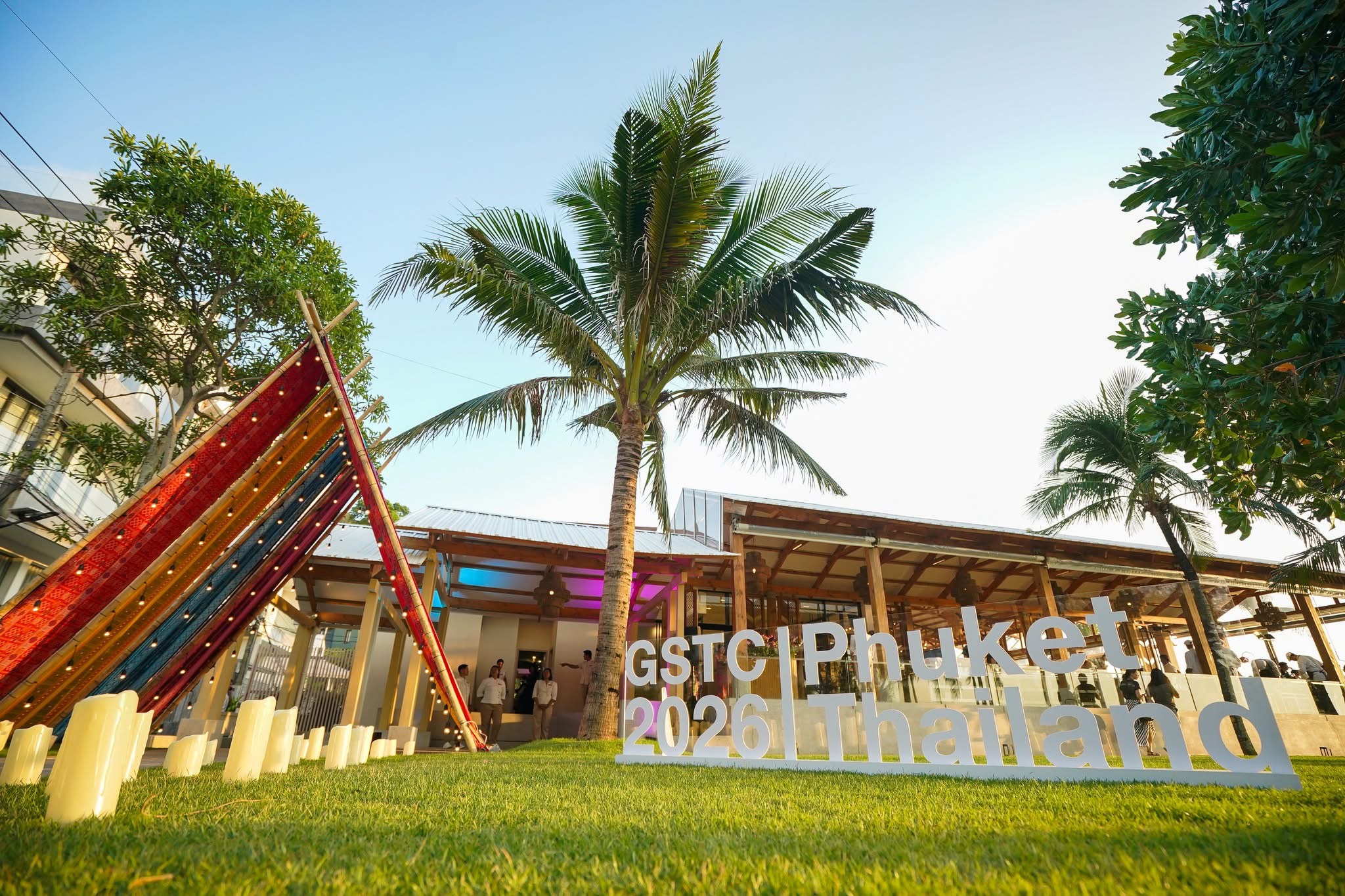
I spent the past few days at the Global Sustainable Tourism Council Conference in Phuket, a gathering of sustainability leaders in the tourism industry, and one thing became very clear: Sustainability in travel is no longer a “nice to have.” It’s becoming a requirement.
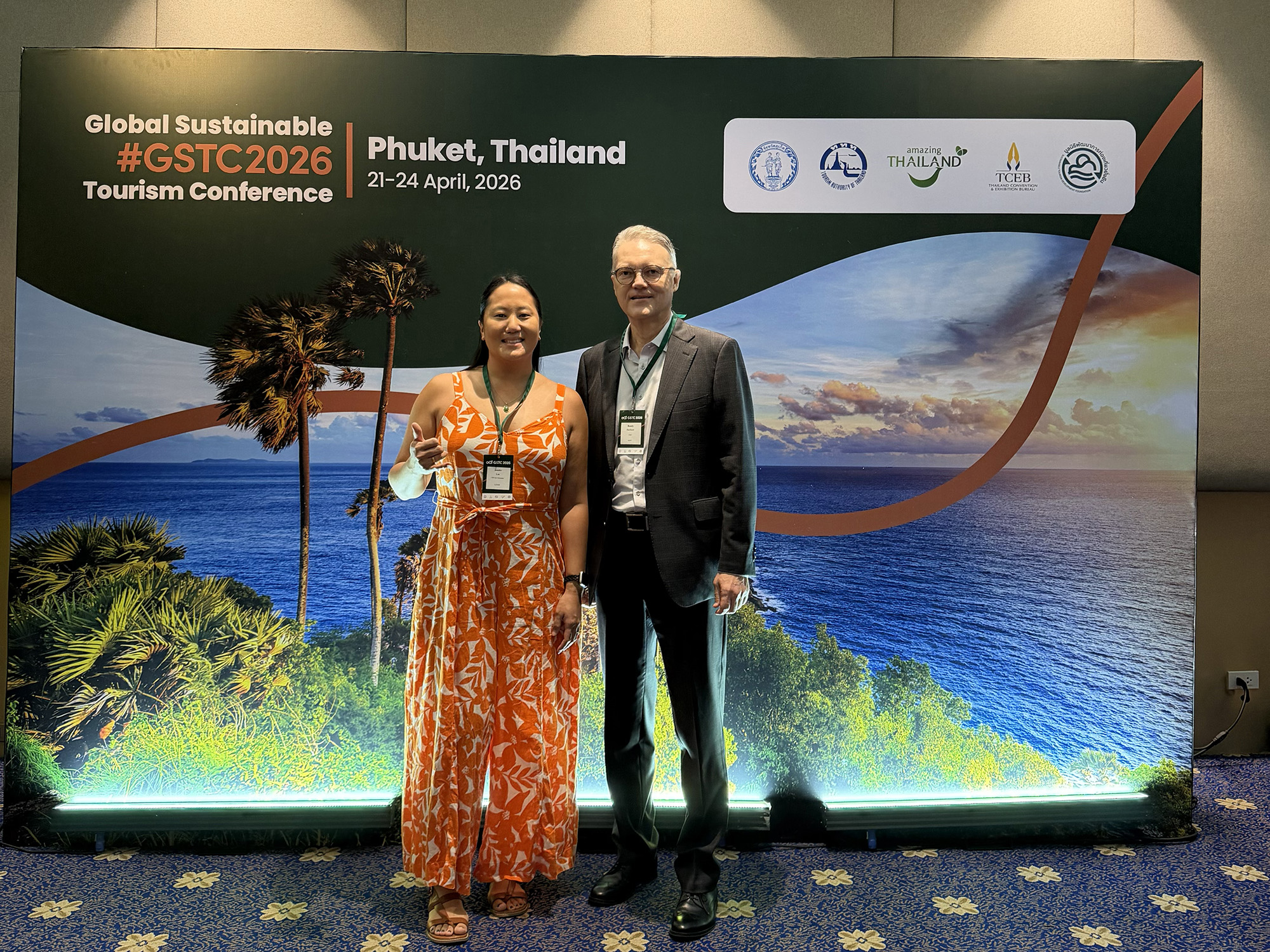
And yet, the industry still isn’t set up to deliver on it.
We talk a lot about the “say–do gap”, how travelers say they want sustainable options, but don’t actually book them. But sitting in these conversations, it’s obvious this isn’t really a consumer problem. It’s a systems problem.
Yes, part of it is that sustainability is fragmented. Different standards, different definitions, different ways of measuring across regions and sectors. But we’re starting to converge. Measurement is improving. Frameworks are aligning. That’s not the core issue anymore.
The real issue is what happens after that alignment around standards. Because even when sustainability is defined and measured, it still isn’t easy to act on. And how that information gets translated to travelers, how it shows up in the product experience, matters more than anything.
Which brings me to the biggest takeaway from the week:
Platforms are the most powerful lever for change in this industry.
That’s exactly why we’re building LOAM, a regenerative travel platform that doesn’t just reduce harm, but actively restores destinations, redistributes value, and rebuilds the relationship between travelers and the places they visit. What we heard at GSTC strongly clarified this!
The demand is there. The system isn’t.
The data is clear… Most travelers say they want sustainable options, but only a fraction actually book them. This “say–do gap” is often framed as a consumer problem. It isn’t. It’s a system design problem.
Travelers can’t choose what they can’t find. And today, sustainable options are limited, certifications are confusing, and platforms surface convenience over impact. Even when intent exists, the path to action is unclear. The result is predictable… default behavior wins. And the same exploitive tours are top of the search list every time.
Platforms don’t reflect demand. They shape it.
One of the most important shifts discussed at GSTC is the evolving role of platforms. Online travel agencies and marketplaces are no longer passive intermediaries. They are the gatekeepers of supply, designers of choice, and enforcers of standards. They decide what gets seen, what gets prioritized, and what gets booked. And small product decisions have outsized impact.
A few examples that stuck with me:
- Klook made the decision to only list elephant sanctuaries that meet verified welfare standards. They didn’t “educate users to choose better”, they removed the bad options entirely. That’s how you shift behavior at scale.
- Trip built carbon visibility and budget controls directly into their business travel platform. Once companies could actually see and manage emissions, they started reducing them.
- Booking shared that while they’ve grown their sustainable inventory, it’s still a tiny fraction of total supply, and just as importantly, still too hard for users to find.
Ultimately, this is not a distribution problem. It’s a product problem. And it means the future of sustainable travel will be shaped less by marketing, and more by how platforms are built.
The real bottleneck: Supply.
If there’s one constraint that defines the current moment, it’s that there are not enough credible, sustainable travel products to meet demand.
Across accommodations, experiences, and tours, certification rates remain extremely low, small operators lack resources to comply, and the experiences sector is highly fragmented. The industry’s current approach, filtering for “good actors”, doesn’t scale if there aren’t enough of them.
What’s needed instead is enablement of training and education for local operators, access to tools and frameworks that can be easily applied, and pathways to improve, not just pass/fail standard. At LOAM, we see this as a core responsibility… not just curating supply, but helping build it.
What gave me hope is that there are so many local organizations working to support these smaller operators. Like the EXO Travel Group, a Destination Management Company that operates across Asia, established the EXO Foundation that actively supports local nonprofits and NGOs working on conservation in the destinations they operate. Or Agoda, a major platform in Asia, that set up an Impact Fund in collaboration with the World Wildlife Fund to provide funding access to their local operators, to transition to sustainable operations. It’s honestly amazing to see how much impact we can have when sustainability becomes a core part of a brand and its strategic decisions.

Measurement is becoming the new baseline.
Another clear signal: sustainability is moving from narrative to numbers. Operators are increasingly expected to track everything from carbon emissions, to local economic retention, supply chain composition, and community investment.
Frameworks like GSTC and ISO standards are beginning to align the industry around a shared language. Because without measurement, there is no accountability. And without accountability, there is no trust.
But measurement alone is not enough. What matters is making that data meaningful, to both operators and travelers. By having a global standard, shared language, and accountability, it makes it easier for platforms to empower travelers to make sustainable decisions.
Sustainability is not just carbon.
One of the more nuanced insights from the conference is that what the industry measures is not always what travelers care about. Many corporations measure carbon emissions, but younger travelers, in particular, are often more motivated by things like animal welfare, cultural integrity, and community impact. This is aligned with what we’ve seen at LOAM through our customer interviews as well.
In some cases, platforms are seeing more engagement by removing harmful options entirely than by presenting “better” ones (like with the Klook example on elephant sanctuaries).
This is a critical shift! Why? Because if sustainability is framed only as carbon reduction, it will remain abstract. If it is experienced through tangible impact, it becomes personal. Further helping the industry tackle the say-do gap on the consumer side.
From extractive to regenerative.
At its core, the tourism industry is at a crossroads between two models:
Extractive tourism:
Where value flows out of destinations, communities are peripheral, and nature is a backdrop.
Regenerative tourism:
Where value stays local, communities are central, and ecosystems are restored.
The difference is not philosophical, it’s structural.
It shows up in who owns the experience, where money flows, what is measured and reported, and how success is defined. At LOAM, we believe the future of travel will be defined by this transition. Not by doing less harm, but by creating net positive impact.
Closing the gap: What actually drives change.
If there is one overarching lesson from GSTC, it’s that awareness is not the lever, systems are.
People don’t change their behavior because they care more. They change behavior because better options exist, those options are easy to choose, and the impact is clear and credible.
This requires coordination across the entire ecosystem from Platforms to Operators to Communities and Travelers. No single actor can solve this alone.
The question now is not whether sustainable travel will scale. It’s whether we build the infrastructure to make it real.




.svg)