
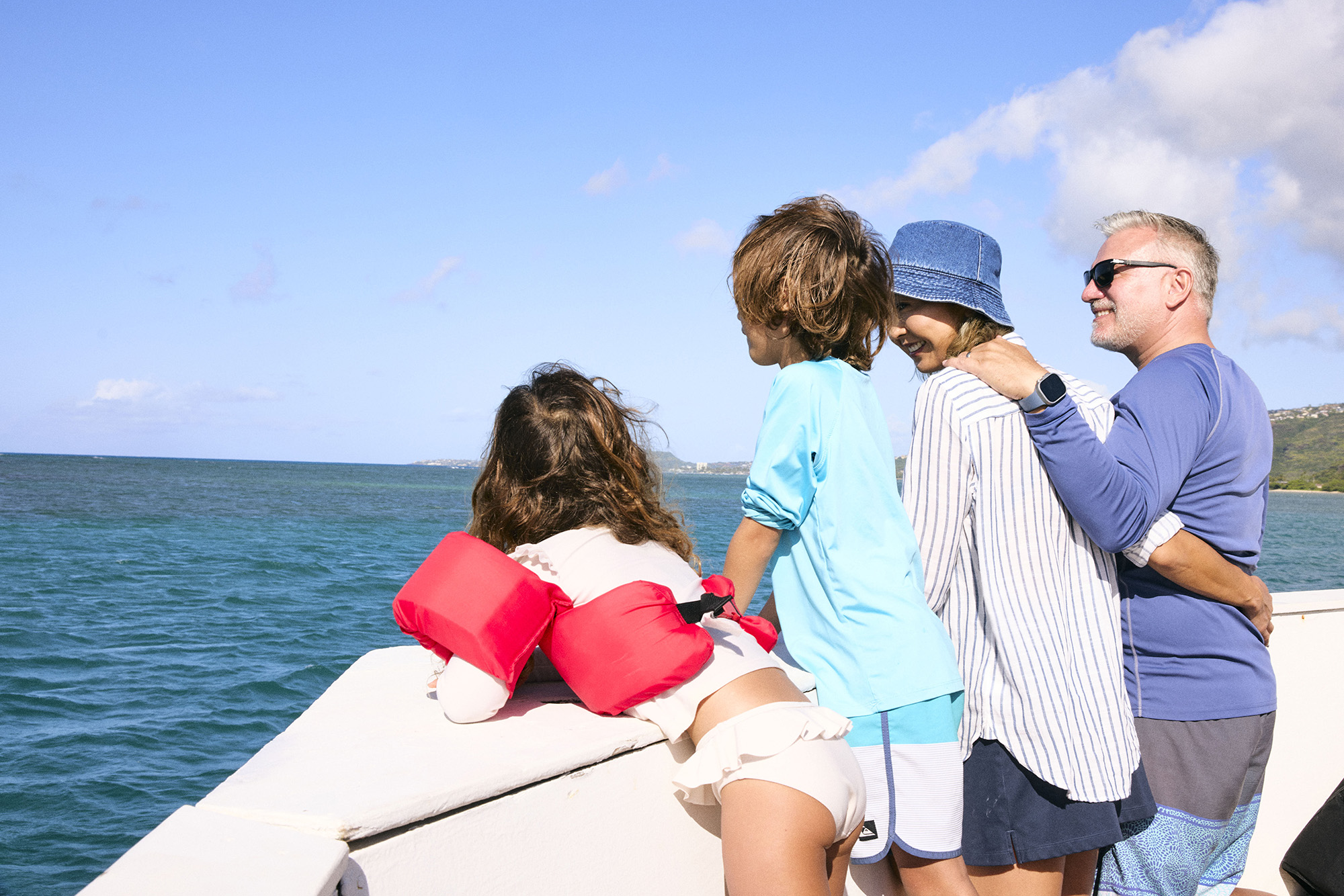
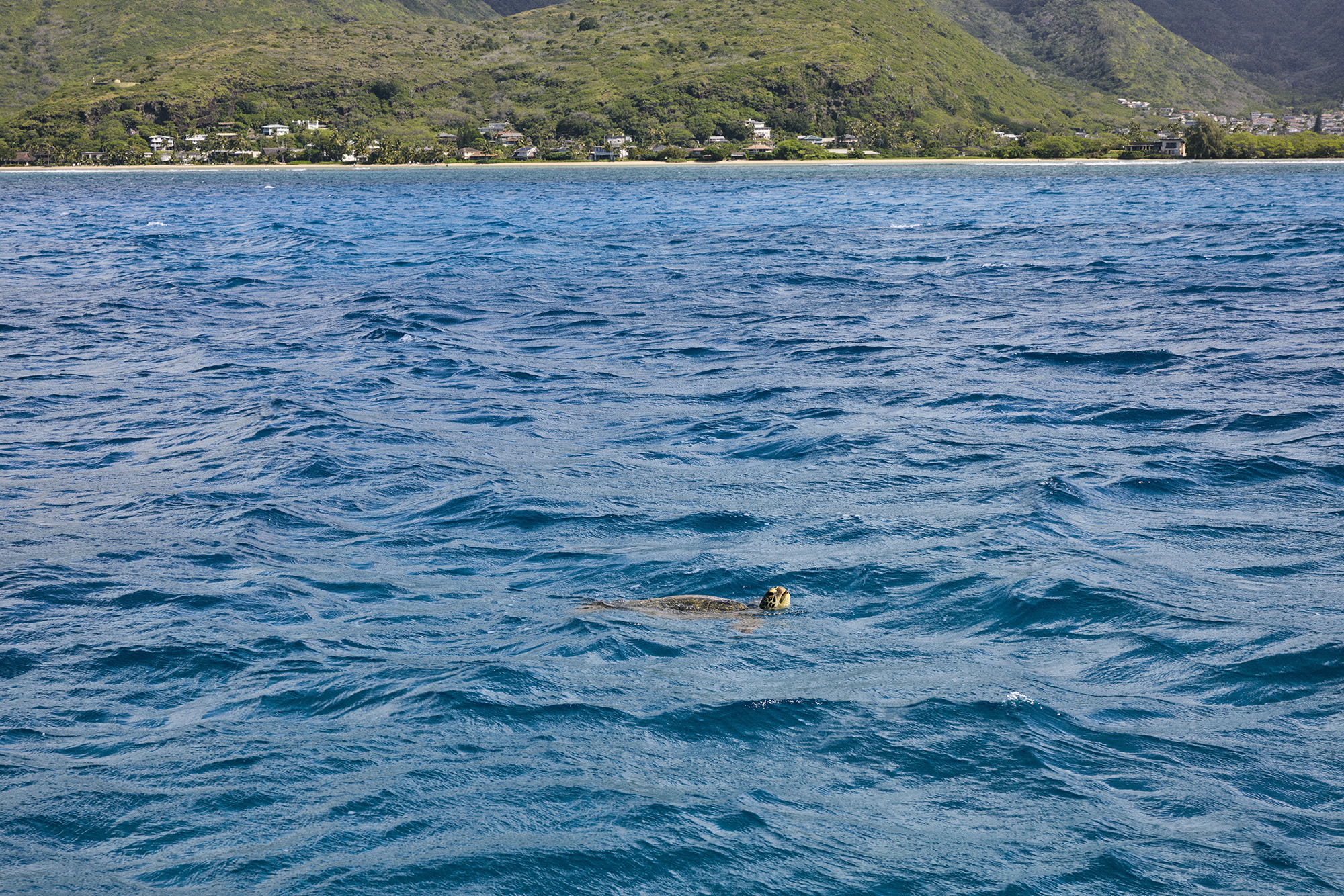
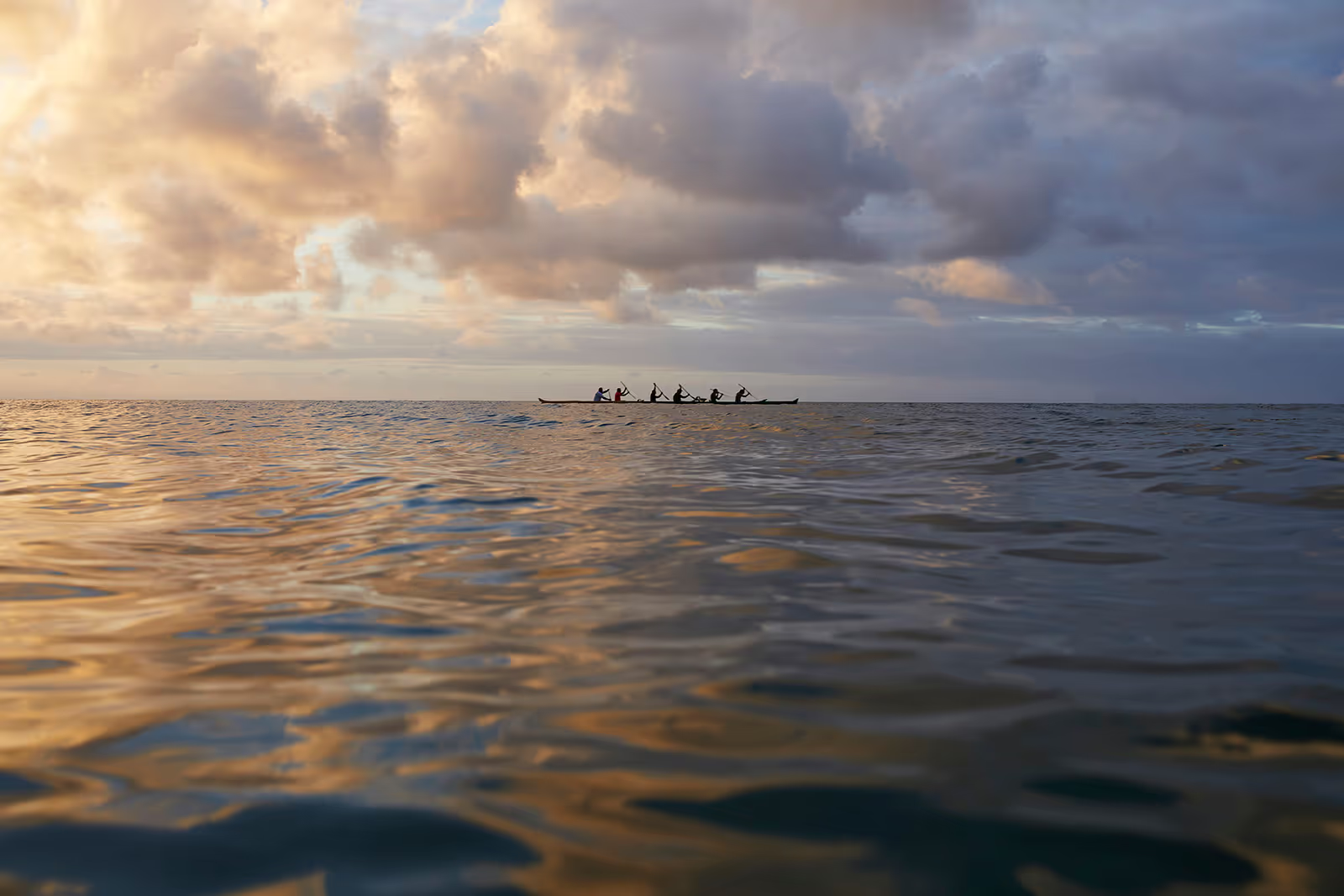
Your morning begins at Island Divers in Hawaiʻi Kai, where Ocean Alliance Project's marine biologists welcome your group aboard and brief you on what you're about to enter. Over breakfast on the water, they introduce you to Maunalua Bay's story – one of Hawaiʻi's five largest embayments, home to a barrier reef, native fish nurseries, and some of Oʻahu’s healthiest remaining coral. Then they tell you what it looked like fifteen years ago, when invasive algae had smothered entire sections of the reef flat, and why what you're about to do matters so much.
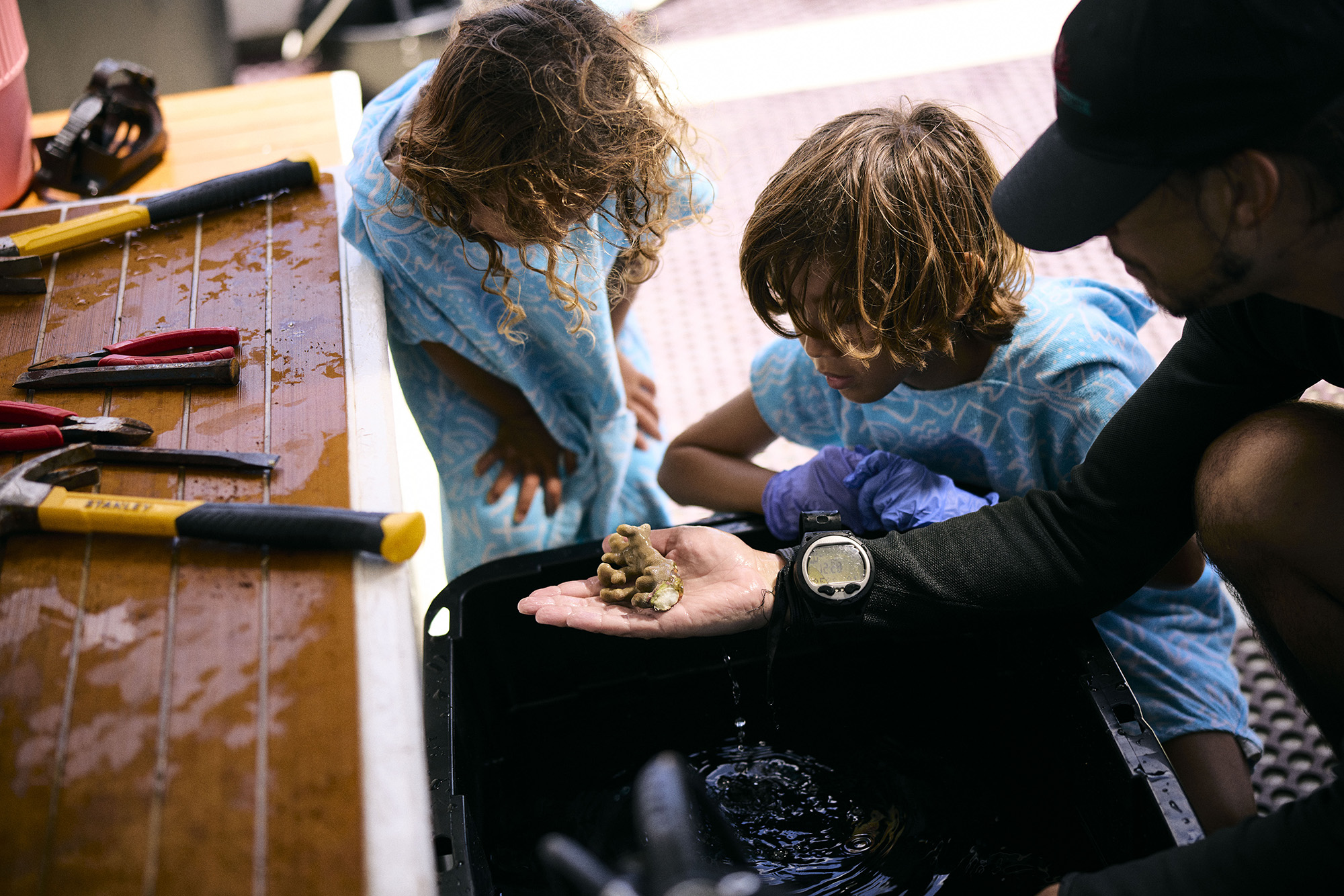
In the water, your group splits naturally – certified divers descend with Ocean Alliance Project's team while snorkelers explore the reef from above, both groups guided by marine biologists who know every coral head and sea turtle by name. This is active science, not sightseeing. Back on the boat, the coral fragmentation work begins – a hands-on introduction to the painstaking, hopeful process of helping a reef rebuild itself, led by the experts doing this work year-round.
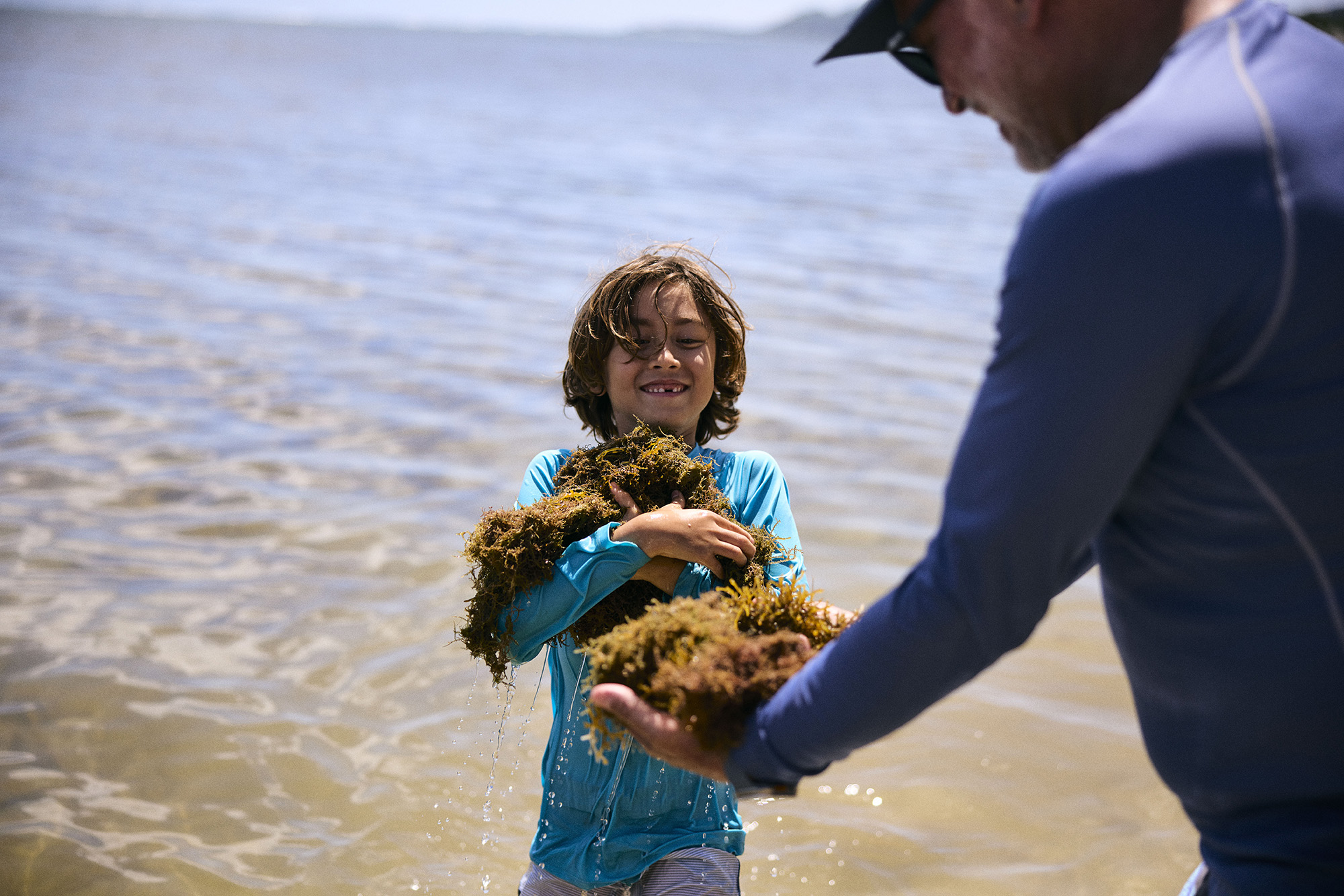
The transition from reef to shore happens at Paikō Beach, one of East Honolulu's most quietly stunning stretches of coastline. Over a picnic lunch, Mālama Maunalua's team draws the connection between the reef you just left and the land surrounding it – introducing you to the ancient ahupuaʻa understanding that a watershed must be managed as one continuous system from mountain to sea. You'll learn to distinguish native algae, culturally and ecologically irreplaceable, from the invasive species that have been choking the bay's natural recovery. Then you wade in for the Huki – Mālama Maunalua's hands-on algae removal program that has mobilized tens of thousands of volunteers and removed over four million pounds of invasive species from this bay.
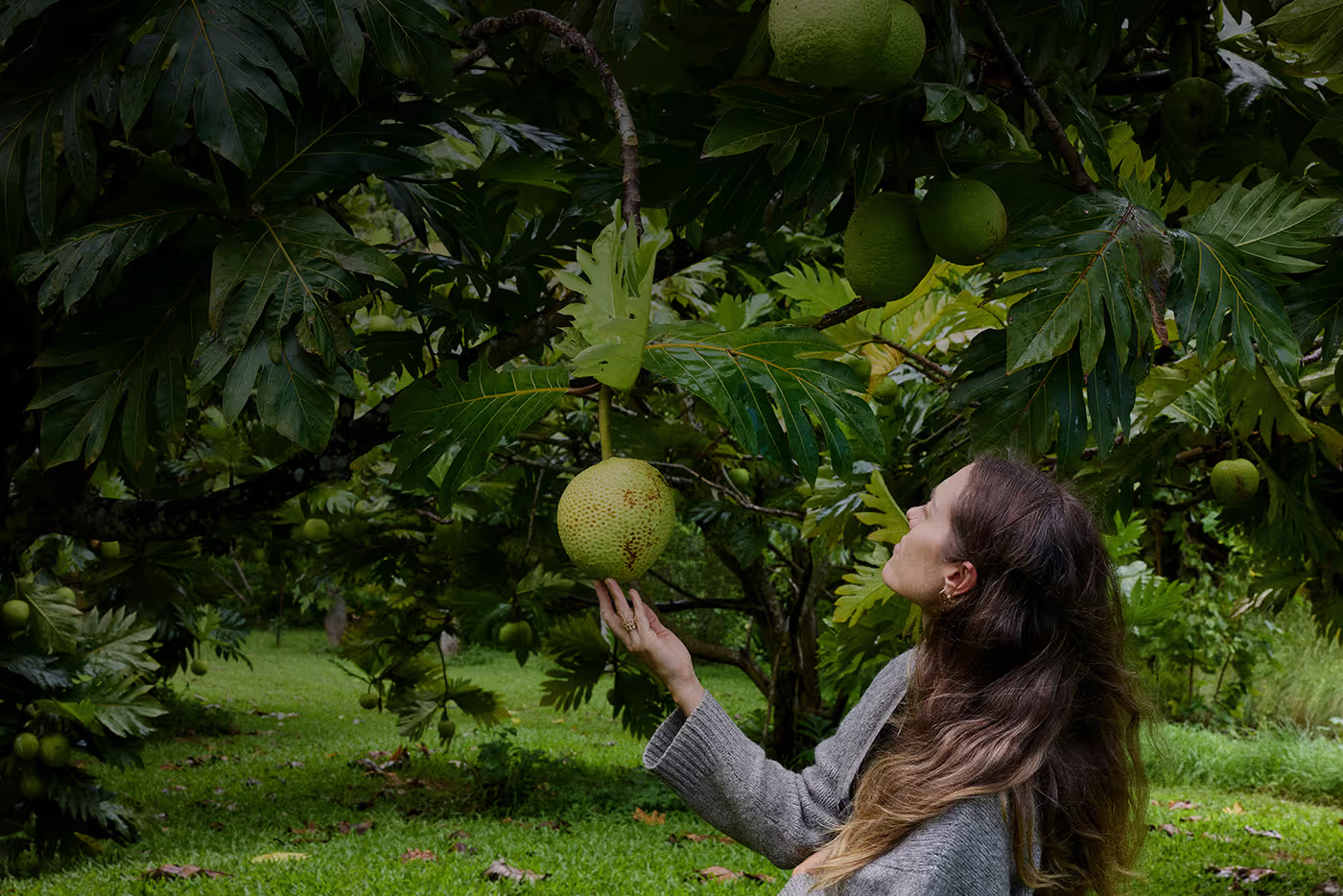
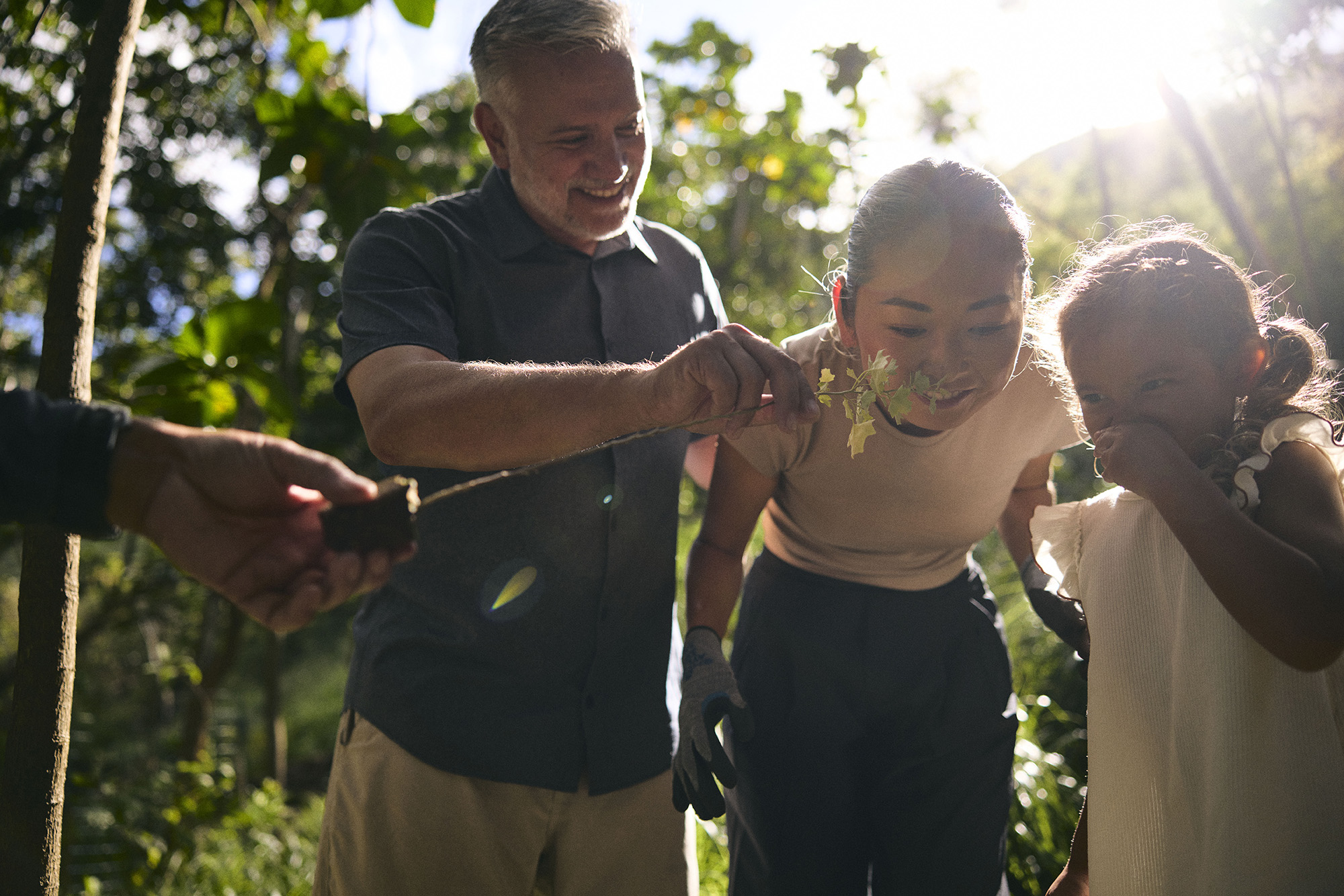
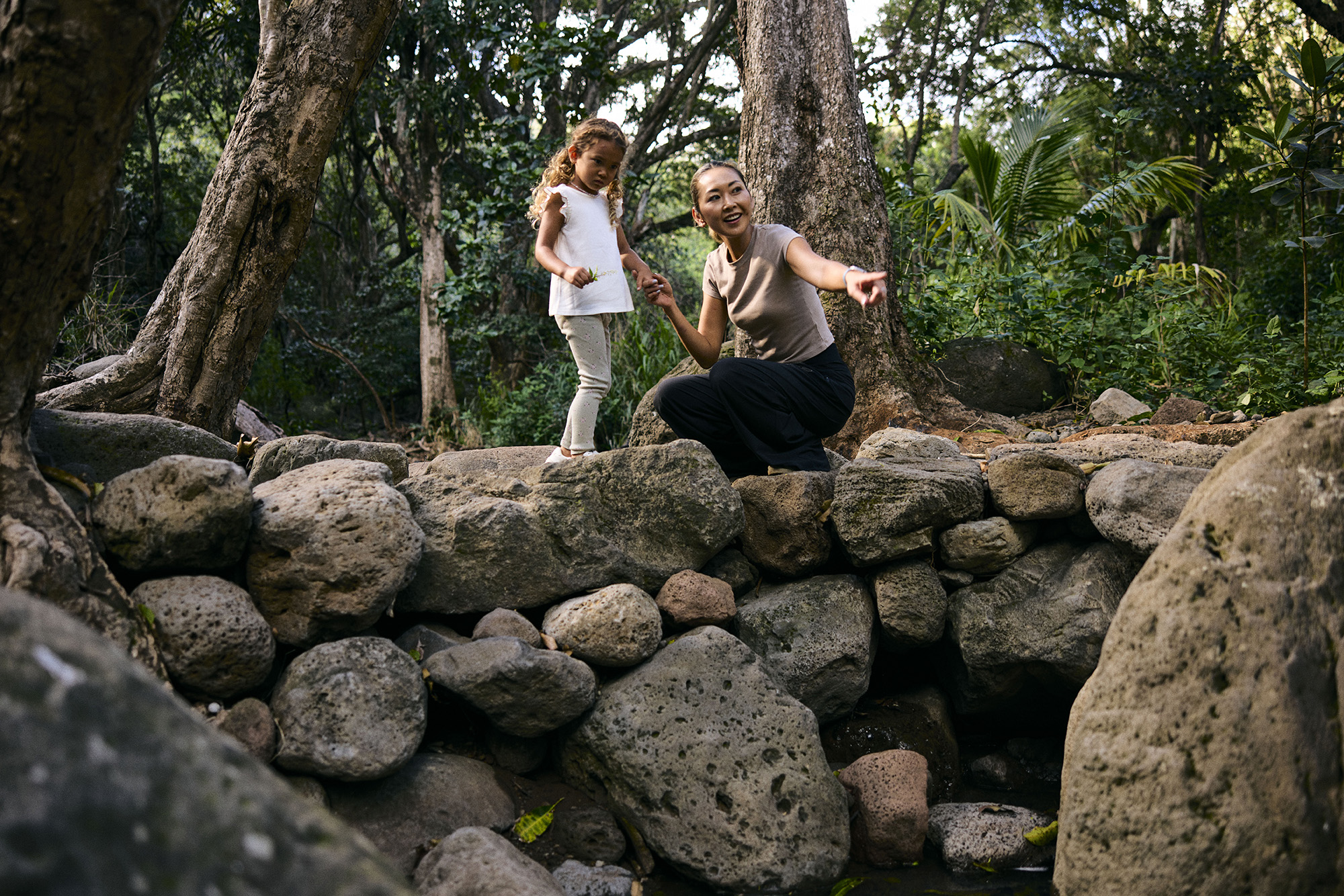
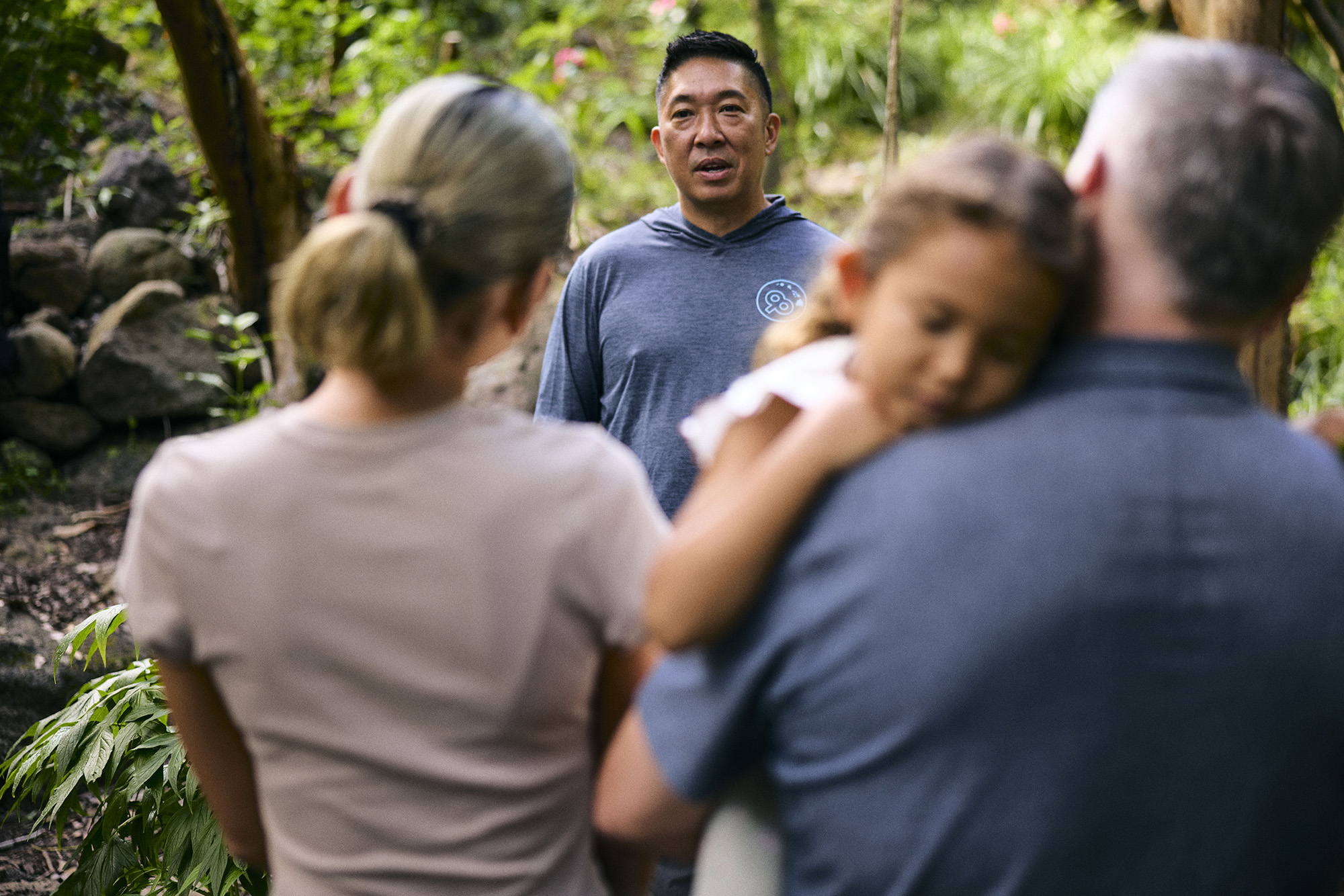
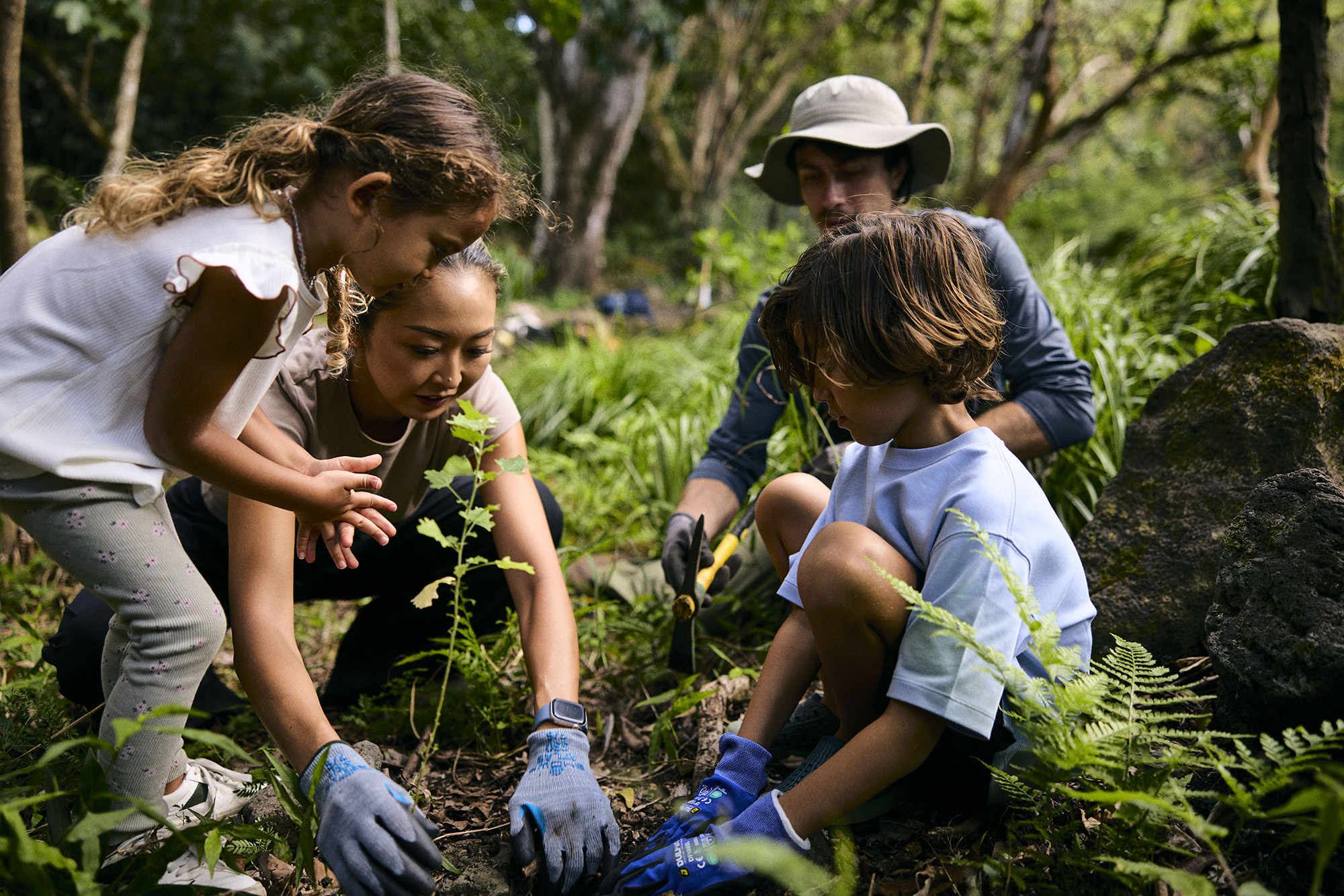
As the afternoon continues, your group is welcomed into an active native forest reforestation site grounded in Native Hawaiian stewardship, stewarded by Protect & Preserve Hawaiʻi. The experience opens with an oli (chant) and storytelling that grounds the day in cultural context, connecting the landscape to long-standing Native Hawaiian stewardship practices. You’ll then take part in hands-on restoration—planting native trees and caring for the forest that filters the water flowing into Maunalua Bay.
By the time you walk back through the trees, the loop is complete. The forest feeds the stream. The stream feeds the bay. The bay feeds the reef. And today, your family fed all of it.



.svg)